8 hr
Hiroshima & Miyajima UNESCO Heritage Full-Day Tour
Journey through two UNESCO World Heritage Sites with expert guides, from Peace Memorial Park to the floating torii gate of Itsukushima Shrine.
Reserve
Hand-picked by our editors — only the best 5 experiences from 47 reviewed.
Verified partners for every tour, free cancellation where available, and instant confirmation on every booking.
8 hr
Journey through two UNESCO World Heritage Sites with expert guides, from Peace Memorial Park to the floating torii gate of Itsukushima Shrine.
Reserve
12 hr
Journey to two UNESCO sites: witness the poignant A-Bomb Dome and visit the iconic floating shrine
Reserve
8 hr
Discover two of Japan's most iconic destinations on a full-day guided journey featuring Shinkansen travel.
ReservePrices from verified partners. Availability updates in real time at checkout. Free cancellation policies apply where shown.
The landmarks, rooms, and views travelers on this tour remember — all visible on a single visit.
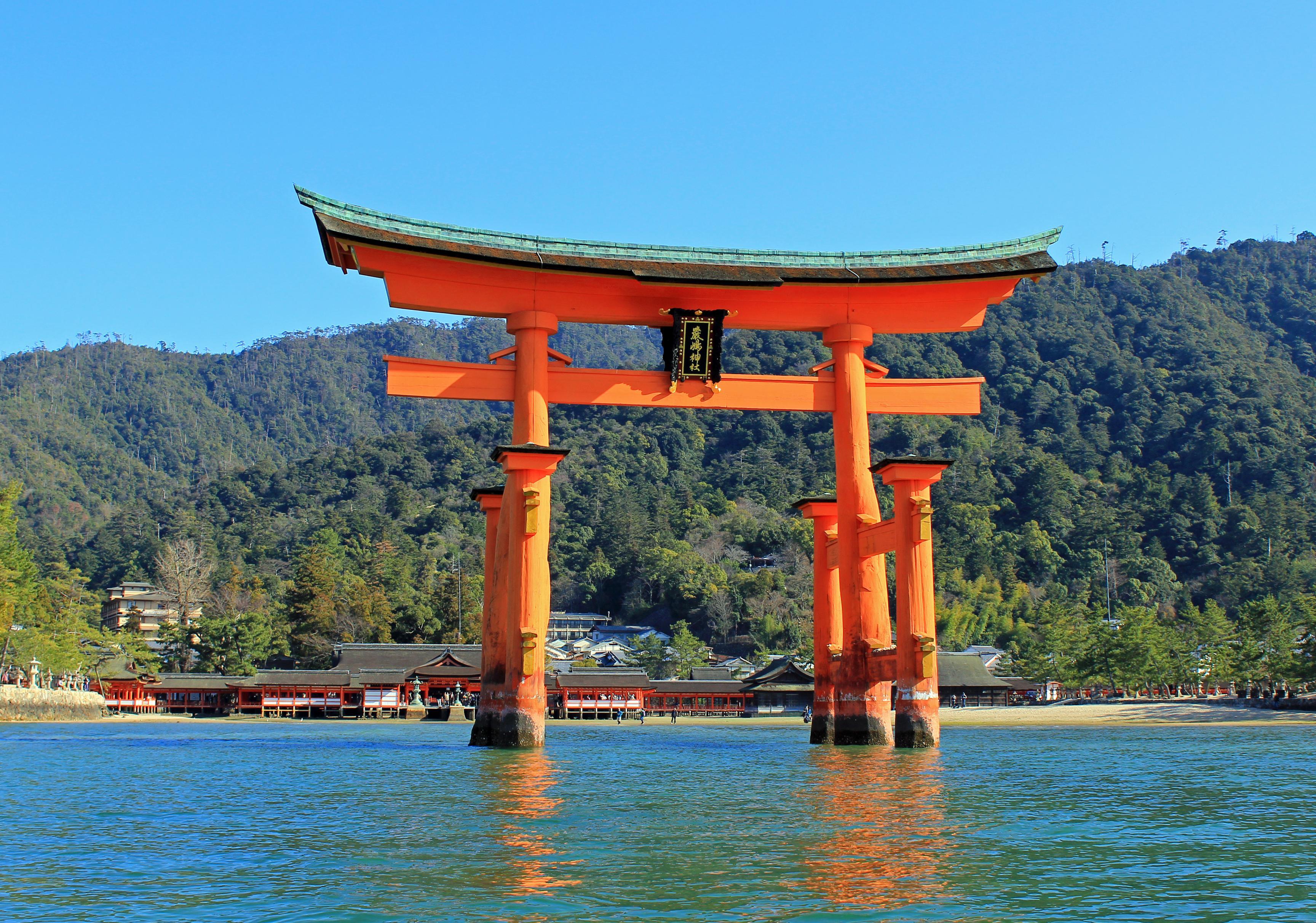
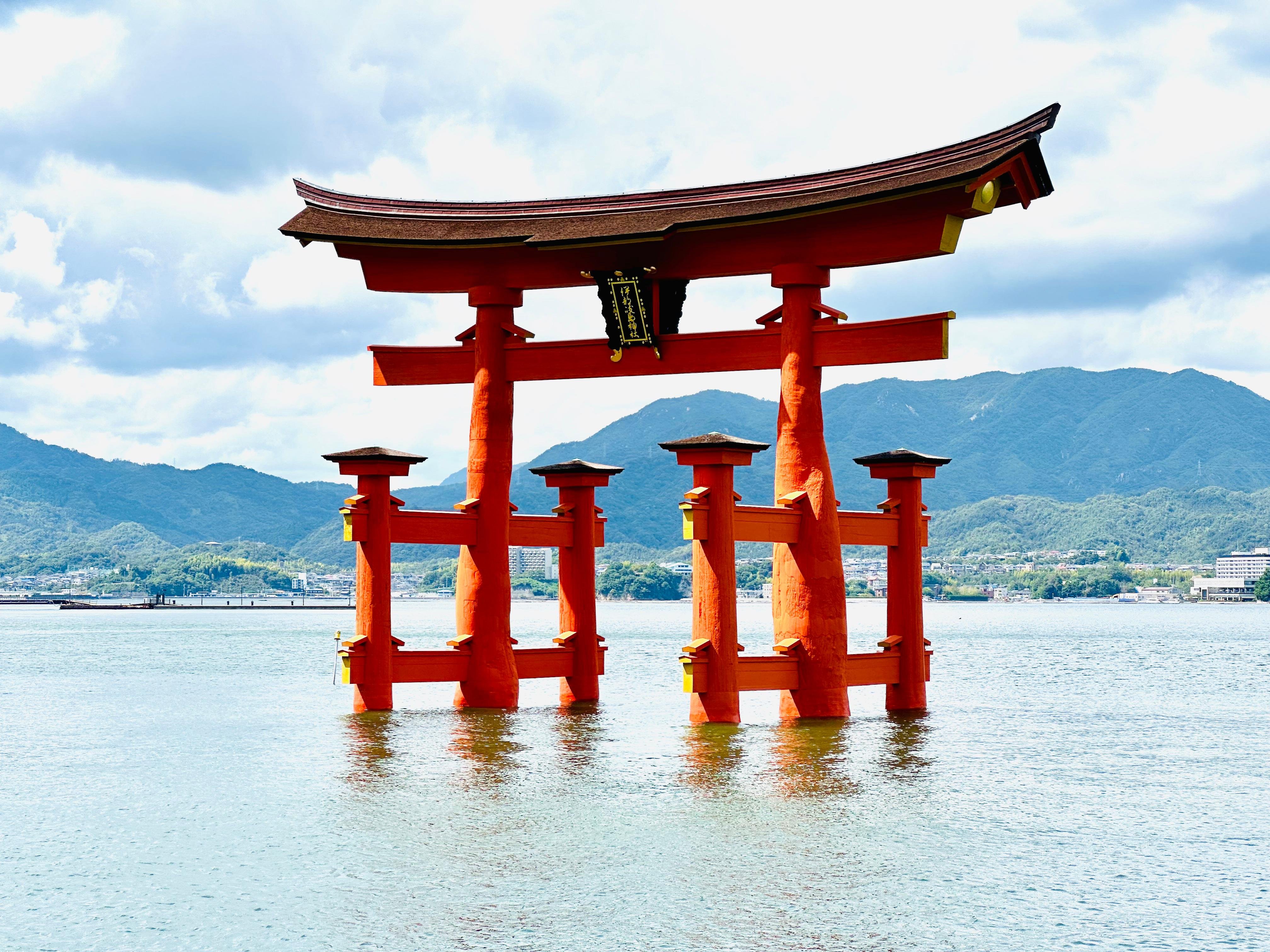
This iconic structure is designed to appear as if it is floating at high tide, standing 16 meters tall. It has been rebuilt multiple times since its original construction, with the current version dating back to 1875.
The main hall features a stunning architectural design that extends over the water on wooden pillars. It is a UNESCO World Heritage site and represents the height of Heian-period aesthetics.
This smaller shrine is dedicated to the five deities of Itsukushima. The complex is connected to the main hall by a long, roofed wooden corridor.
Standing at 27 meters, this vibrant red pagoda combines architectural styles from both China and Japan. It offers a vantage point for photos of the surrounding island scenery.
This building houses a collection of ancient artifacts, including swords, armor, and scrolls. It provides historical context to the religious significance of the site.
They complement each other; most visitors who do both call the Hiroshima day tour from osaka the more solemn, reflective experience, while Nara offers a lighter cultural immersion.
| Feature | Top pick Hiroshima & Miyajima | Nara Day Trip |
|---|---|---|
Primary Focus |
WWII history and island shrines | |
Travel Time from Osaka |
1.5–2 hours (Shinkansen) | |
Physical Intensity |
High (extensive walking) | |
Key Landmarks |
Peace Memorial Park and Itsukushima Shrine | |
Main Attractions |
Floating torii gate and A-Bomb Dome | |
| See tickets → |
Verdict: Choose the Hiroshima day tour from osaka tours if you prioritize historical gravity, or select a Nara excursion for intimate wildlife encounters and ancient wooden architecture.
Choose your ticket, select your date, and reserve in under two minutes. Secure checkout handled by our verified partner.
Instant confirmation by email, with a mobile voucher you can save offline. No printing, no queuing at a collection desk.
Arrive at the entrance, show your voucher on your phone, and walk in. Most tickets include priority or skip-the-line access.
Practical details for your visit straight from our verified partners — hours, access, rules, and how to get there.
1-11-7 Miyajimaguchi, Hatsukaichi
Main transit hub for island ferries
Take the Shinkansen from Osaka to Hiroshima Station, then local JR to Miyajimaguchi.
Modest clothing is recommended when entering Itsukushima Jinja out of respect for the religious site. Comfortable walking shoes are essential for navigating the shrine piers and nearby island paths.
Large luggage should be left in lockers at Hiroshima Station or Miyajimaguchi Station before boarding the ferry for your hiroshima day tour from osaka. Security personnel may perform random bag checks at major entry points.
Photography is permitted in most outdoor areas of the shrine, though tripod use is restricted to avoid blocking pedestrian traffic during your hiroshima day tour from osaka. Please refrain from taking photos inside restricted sanctuary buildings.
The main shrine boardwalk of Itsukushima Jinja has some uneven wooden planks that may be challenging for standard wheelchairs. We recommend checking the specific accessibility path updates for your hiroshima day tour from osaka.
Maintain quiet in sacred areas and silence devices during your hiroshima day tour from osaka. Public Wi-Fi is available at the ferry terminal and near the main entrance.
Families are welcome, but note that the island involves significant walking on sand and stone paths. Bringing a lightweight stroller is advisable for your hiroshima day tour from osaka as terrain can be rough.
Eating and drinking while walking are discouraged in the shrine area. Many cafes in Miyajima town offer local specialties like momiji manju to enjoy in designated seating zones.
Pets are prohibited inside the inner sanctuary of the shrine. They must be kept on a leash at all times while walking in the public areas of the island.
The 300 JPY conservation fee is collected upon entry to support maintenance of the UNESCO heritage site. Ensure you carry physical yen for this fee during your hiroshima day tour from osaka.
1-11-7 Miyajimaguchi, Hatsukaichi
Main transit hub for island ferries
Get directionsBest time to go, insider tips, nearby landmarks, and the cancellation fine print — flip through to skim what matters to you.
How crowds, weather, and events shift across the year.
Mild weather and cherry blossoms attract many visitors in April.
Hot and humid; evening illumination provides relief in August.
Comfortable temperatures make this ideal for walking tours in October.
Cool, clear days with fewer crowds, perfect for peaceful visits.
Small details that turn a good visit into a great one.
Arriving by 09:00 ensures you beat the midday ferry influx during your hiroshima day tour from osaka.
If your hiroshima day tour from osaka includes a JR Pass, the ferry to Miyajima is often covered.
The floating torii gate is best viewed at high tide for the classic water reflection.
You will remove shoes when entering specific parts of the shrine.
Local shops and the 300 JPY conservation fee may require coins or small bills.
Non-bookable sights within a short walk — free to visit, easy to pair.
A historic Buddhist temple with ornate statues and mountain views.
Famous for maple trees that turn vibrant red in autumn.
A beautifully preserved structure blending Japanese and Chinese styles.
The main thoroughfare for local crafts and food stalls.
Flexible, no hidden fees.
Full refunds are provided for cancellations made at least 24 hours before the tour start time. No refunds are issued for cancellations within the 24-hour window.
Hand-picked options within walking distance — pick a district for vibe, or a specific hotel for convenience.
Historic ryokan located near the park.
Well-situated for visiting the shrine.
Variety of guesthouses and local inns.
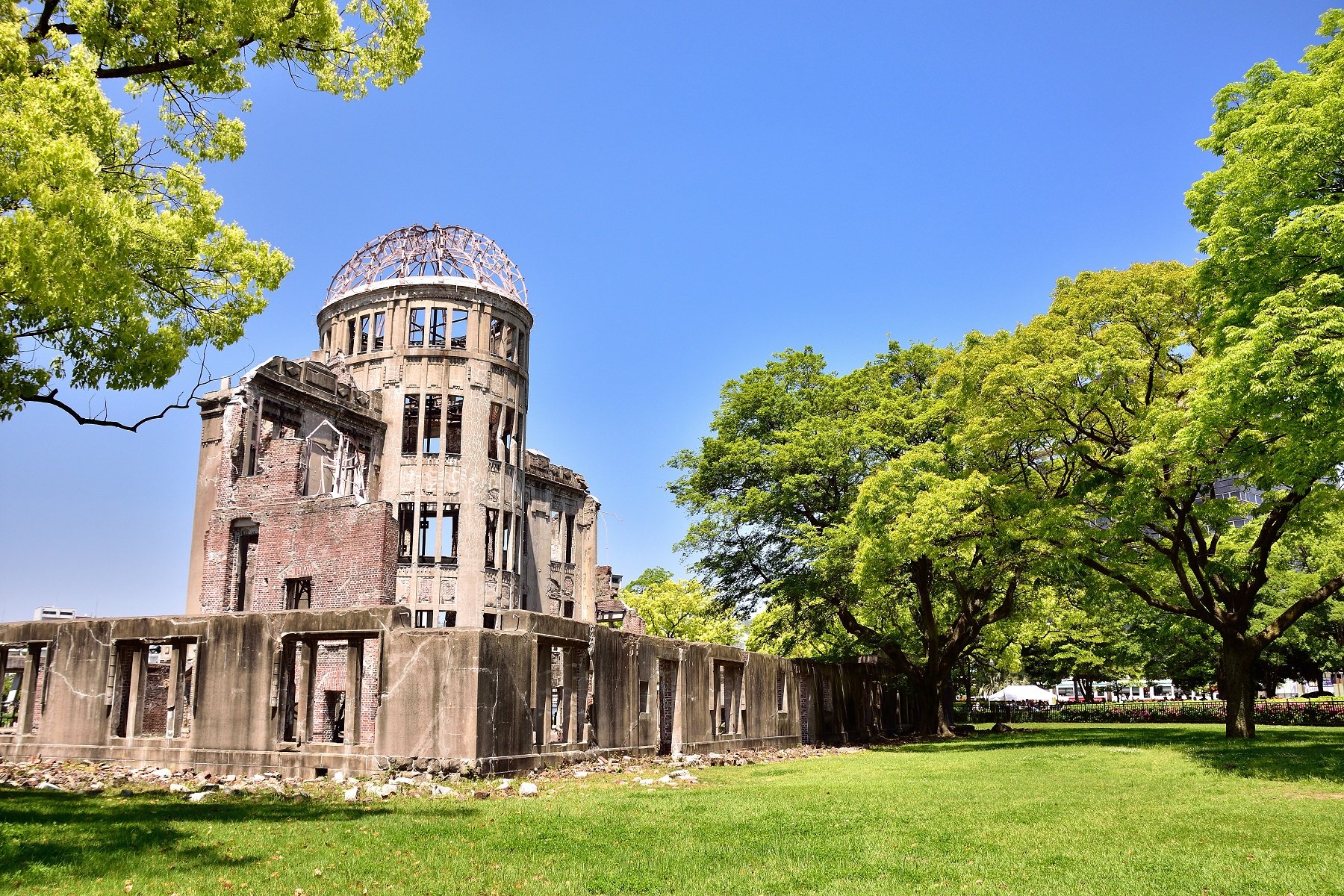
On August 6, 1945, at 8:15 a.m., Hiroshima became the first city targeted by atomic warfare — 140,000 lives lost by year's end, the epicenter of a blast that rewrote modern history. Today, the Peace Memorial Park preserves the Genbaku Dome, the sole structure left standing near ground zero, its skeletal frame now a UNESCO World Heritage Site and the physical anchor of collective memory. The city rebuilt itself into a symbol of resilience, transforming rubble into gardens, monuments, and museums that document both the devastation and the decades of advocacy that followed. Twenty kilometers southwest, Miyajima Island offers a counterpoint — Itsukushima Shrine, founded in 593, its vermilion torii gate appearing to float at high tide, a Shinto gateway framed by the forested slopes of Mount Misen. The shrine's design reflects the island's sacred status: no commoner could set foot on Miyajima for centuries, so the torii was built offshore, allowing pilgrims to pass through by boat. The current gate, erected in 1875, stands 16 meters tall, its four pillars sunk into the seabed without foundation, held by weight alone. Hiroshima day tour from Osaka itineraries typically depart between 7:00 and 8:00 a.m., boarding the Shinkansen for the 90-minute westbound journey. Tours allocate two to three hours at Peace Memorial Park, where the cenotaph, flame, and museum form a chronological narrative of pre-war Hiroshima, the bombing, and its aftermath. The museum's 2019 renovation introduced survivor testimonies and personal artifacts — a child's tricycle, a stopped watch, charred roof tiles — that ground abstraction in human scale. Miyajima occupies the second half of most Osaka to Hiroshima excursions. The ferry crossing from Miyajimaguchi takes ten minutes; arrival times are coordinated with tidal schedules when possible, maximizing the likelihood of seeing the torii gate surrounded by water. Itsukushima Shrine charges a 300 yen conservation fee. The vermilion corridors and elevated walkways allow visitors to traverse the complex without touching the island's sacred soil, a design principle that has governed the site for fourteen centuries.
"The Genbaku Dome's skeletal frame stands as the sole structure preserved near ground zero, anchoring a city that chose memory over erasure."
A step-by-step walkthrough of the visit — what you'll see, how long each stage takes, and the details that matter.
You board the Shinkansen at Shin-Osaka Station, claiming a window seat as the bullet train accelerates westward through the Kansai Plain. Ninety minutes later, Hiroshima Station deposits you into a city of tramlines and reconstructed boulevards. Your guide leads the group to Peace Memorial Park, where the Genbaku Dome rises across the Motoyasu River, its exposed ironwork and fractured brick left exactly as they stood in 1945. You walk beneath the cenotaph's curved arch, the flame burning in the center of the reflecting pool, and enter the museum's dimmed galleries. Survivor accounts play on loop. A wall-sized photograph shows the city on August 7 — flattened, smoldering, unrecognizable. After lunch, the group boards a local train to Miyajimaguchi, then crosses to Miyajima by ferry. The vermilion torii gate appears offshore, pillars planted in the tidal flats. You follow the waterfront promenade to Itsukushima Shrine, paying the 300 yen conservation fee at the entrance. The shrine's elevated corridors float above the sand; at high tide, seawater laps beneath the planks. You pause at the main hall, where the inner torii frames Mount Misen in the distance. Tame deer wander the village streets. By late afternoon, you reboard the ferry, the torii receding as the boat pulls away, and retrace the Shinkansen route back to Osaka.
The shrine is open daily from 06:30–18:00.
The 300 JPY conservation fee is typically collected separately at the entrance of Itsukushima Jinja.
We recommend arriving between 06:30–09:00 to avoid the largest crowds during your visit.
Yes, lockers are available at Miyajimaguchi Station before you depart for your hiroshima day tour from osaka.
Some areas have stairs, but parts of the boardwalk are accessible; please plan your route in the shrine carefully.
Bring comfortable shoes, water, and 300 JPY for the conservation fee during your hiroshima day tour from osaka.
Yes, photography is allowed outdoors, but avoid blocking paths at the shrine.
Travel via Shinkansen to Hiroshima Station, then local train and ferry to reach the island.
Yes, families are welcome, though be prepared for plenty of walking during your hiroshima day tour from osaka.